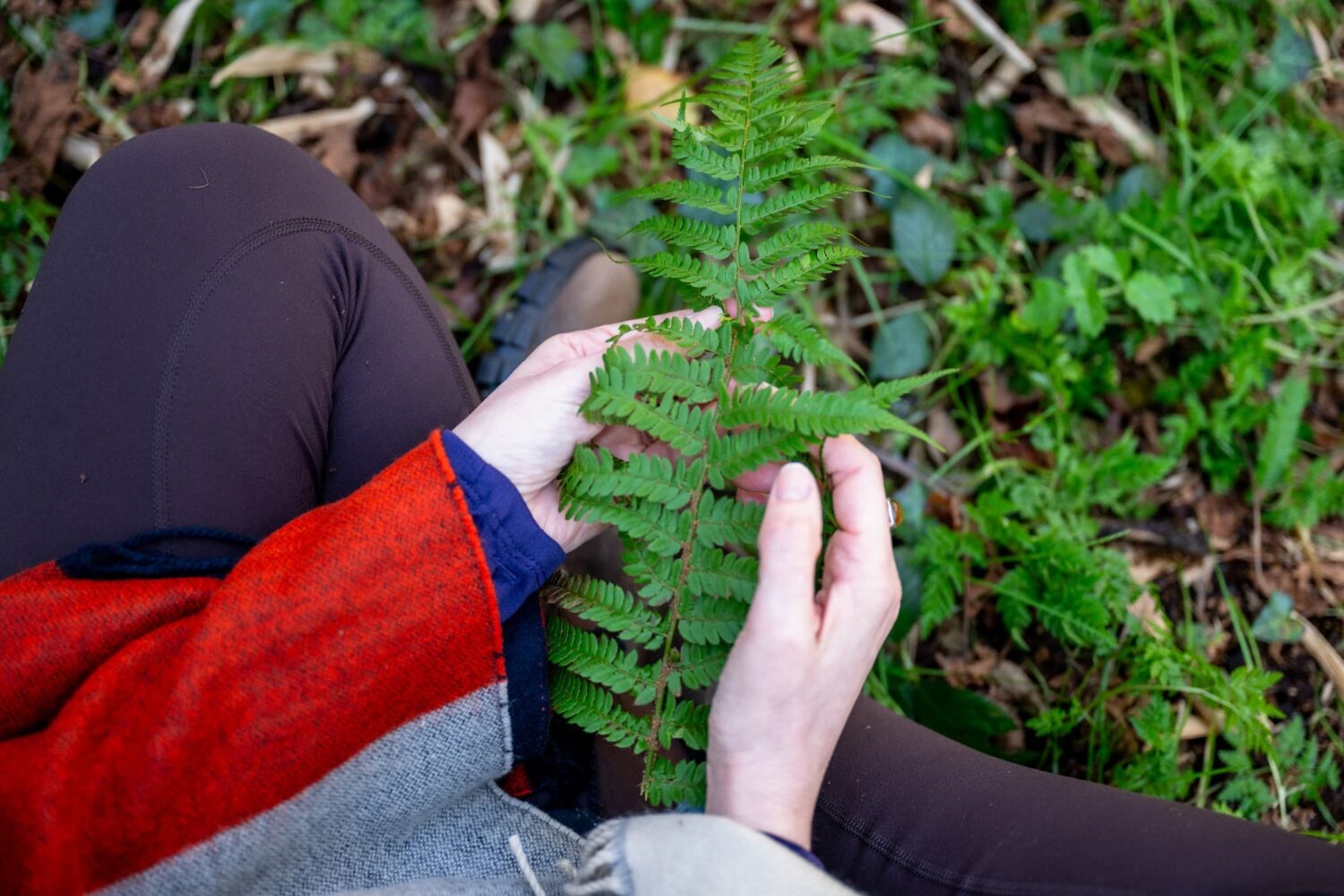
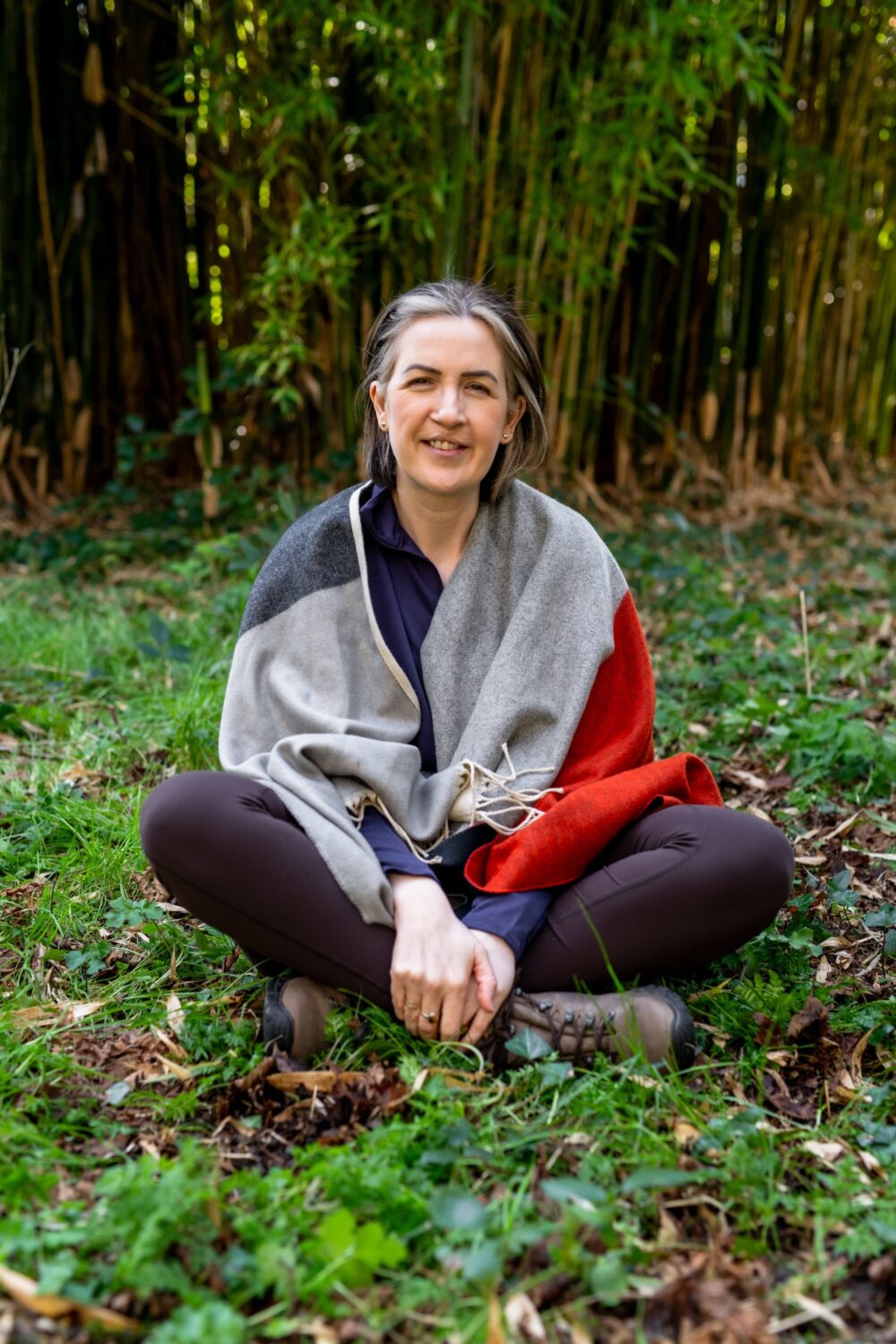
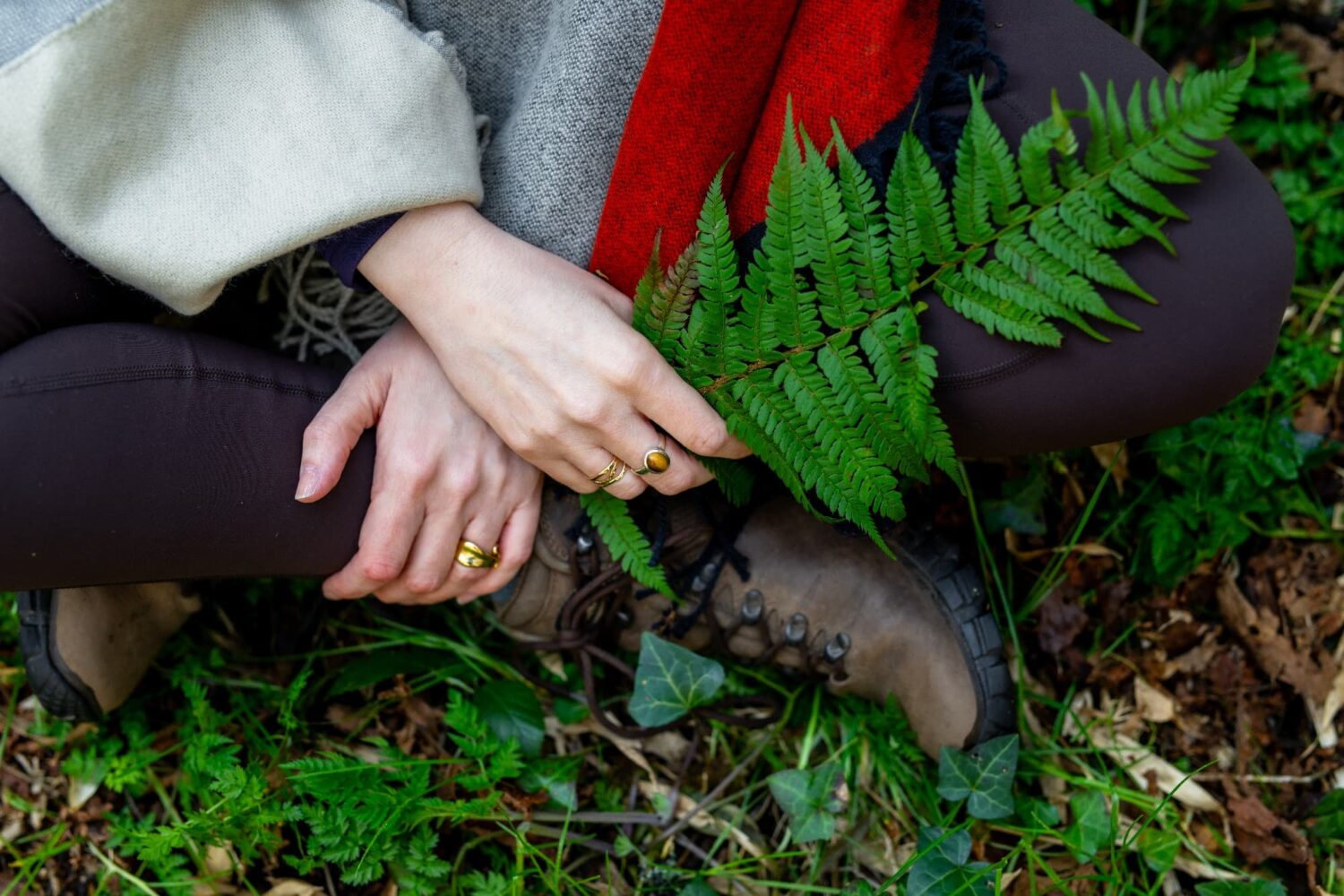
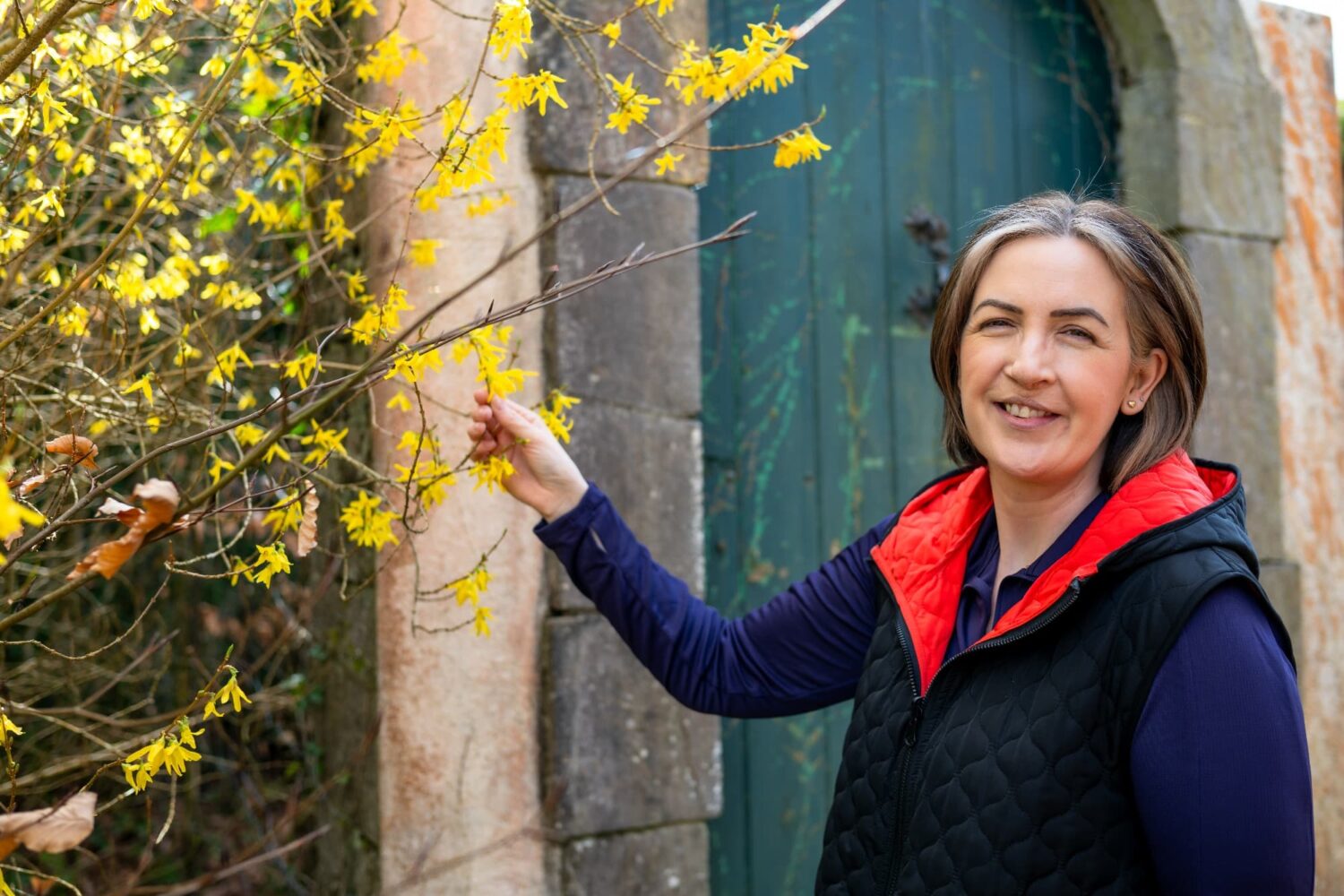
Ecotherapy—or nature-based therapy—is a professional, evidence-based approach that establishes a relationship with the natural environment as a therapeutic “container” to support mental and physical wellbeing.
Unlike forest walking/forest bathing, ecotherapy is facilitated by a trained therapist working in partnership with you and the natural world to effect change and promote wellbeing.
What are the Benefits of being in Nature?
The research supporting the effectiveness of ecotherapy is substantial and rapidly expanding. Studies consistently demonstrate that structured engagement with nature delivers measurable biopsychosocial outcomes:
Physiological Regulation
Research shows that time spent in nature can lead to significant reductions in stress markers such as cortisol, alongside improvements in blood pressure and heart rate.
Psychological Restoration
Nature-based interventions are effective in reducing symptoms of anxiety, depression, and rumination, while simultaneously improving cognitive function, attention, and focus.
Social & Emotional Wellbeing
Engagement with natural environments has been linked to increased life satisfaction, higher self-esteem, and a greater sense of social connectedness, particularly for those navigating life transitions, trauma, or chronic health challenges.
By integrating nature into the therapeutic process, we move beyond the limitations of “self-regulation.” Instead, we leverage the environment to support “co-regulation”—allowing the nervous system to shift from survival mode into a state of deep, sustainable restoration.
I have worked with a number of different organisations and workplaces in supporting wellbeing through ecotherapy sessions for clients or colleagues. I also offer seasonal ecotherapy workshops to the general community, ranging from children to active age groups.
How do I work in Nature?
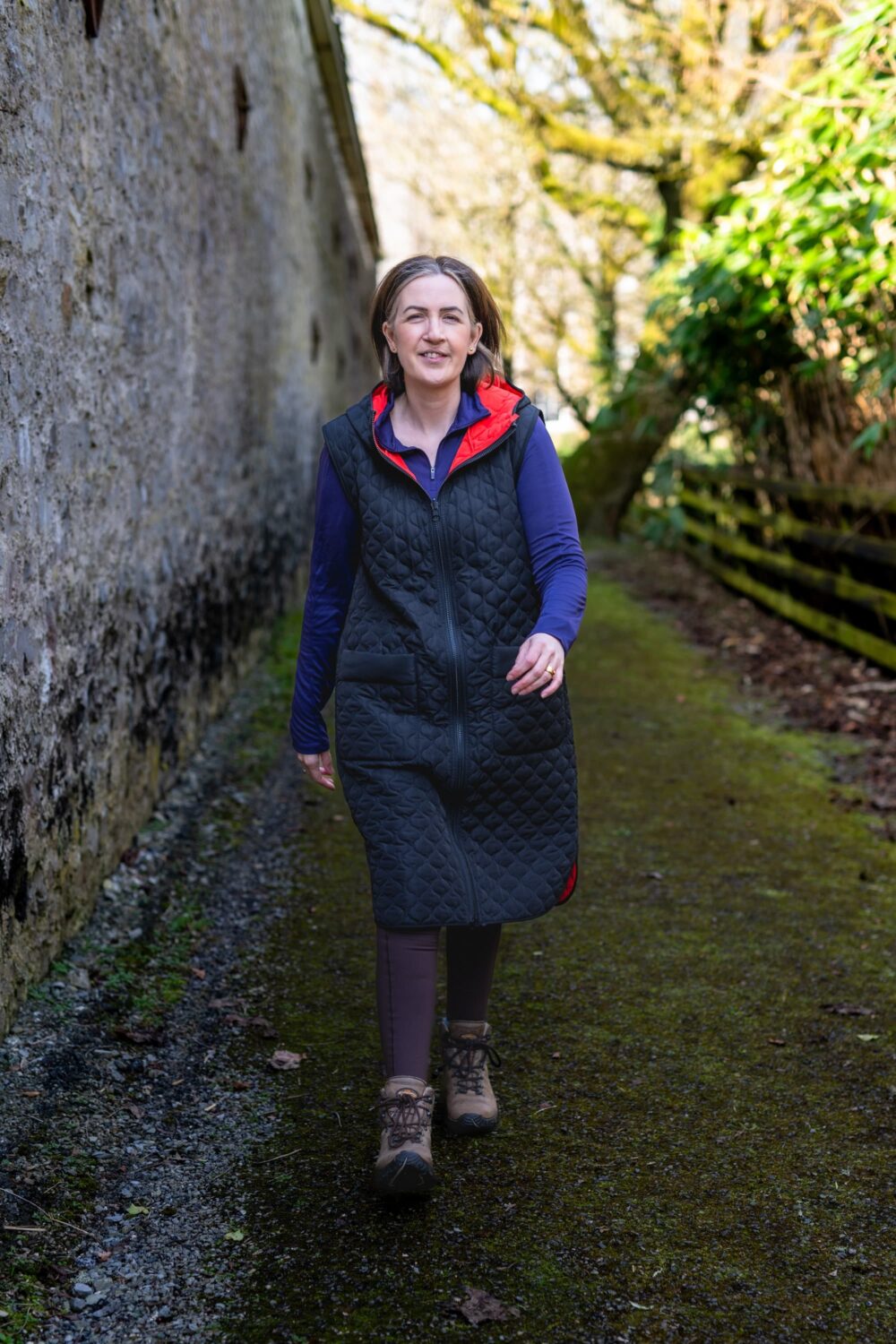
I integrate movement and mindfulness-based practices as part of my approach and can cater for different levels of ability, mobility and age. My approach is trauma-informed and respectful of individual choice and capacity.
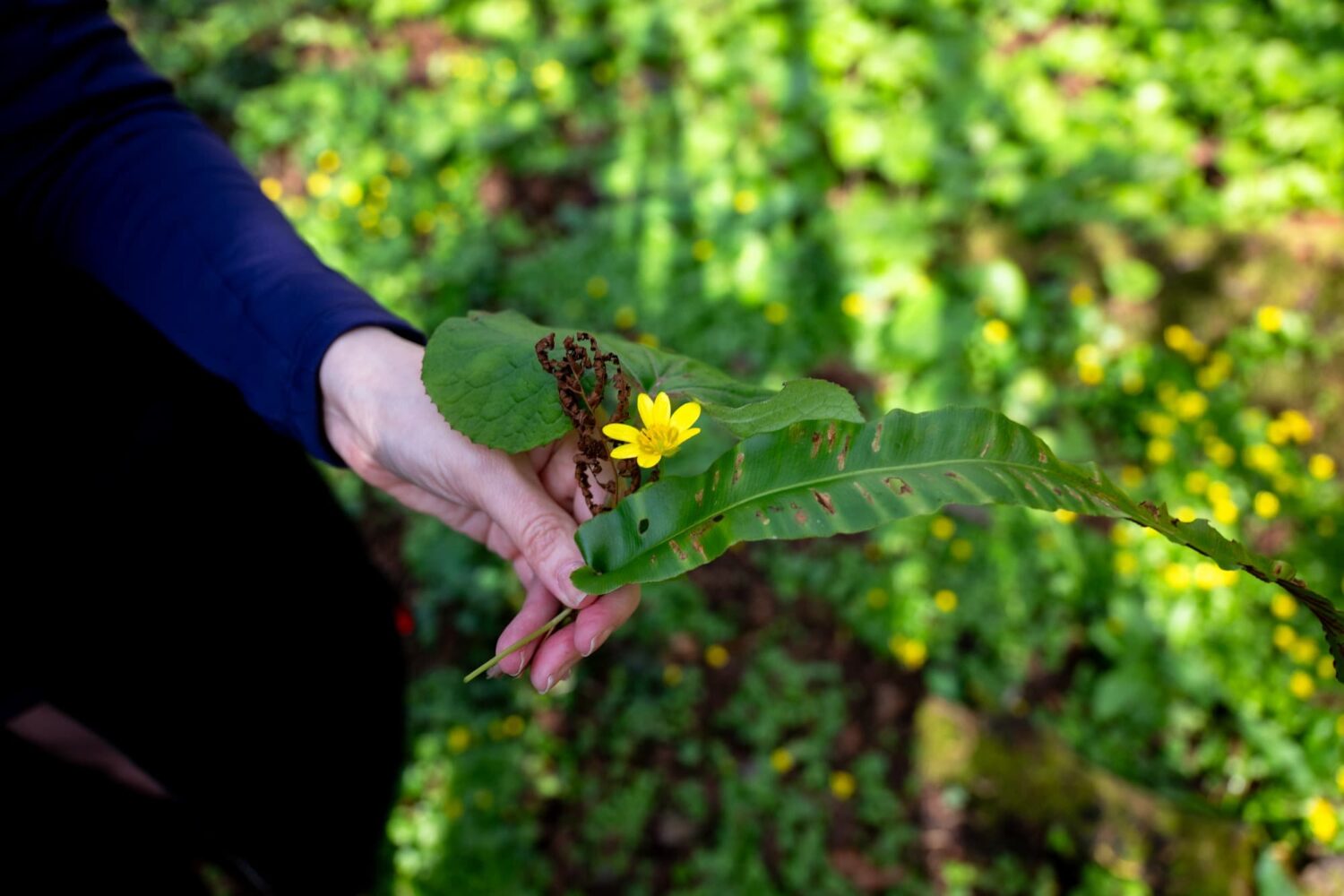
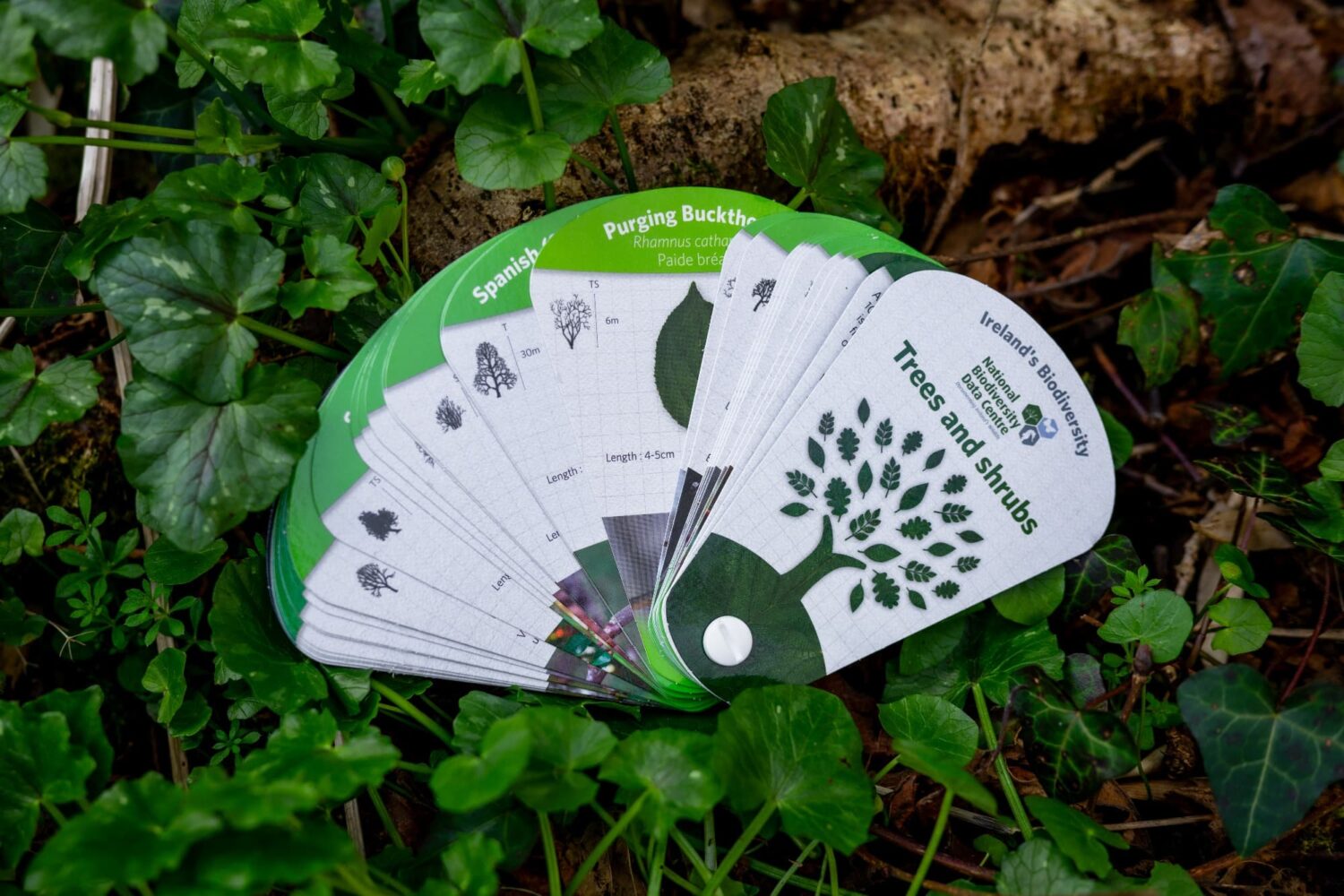
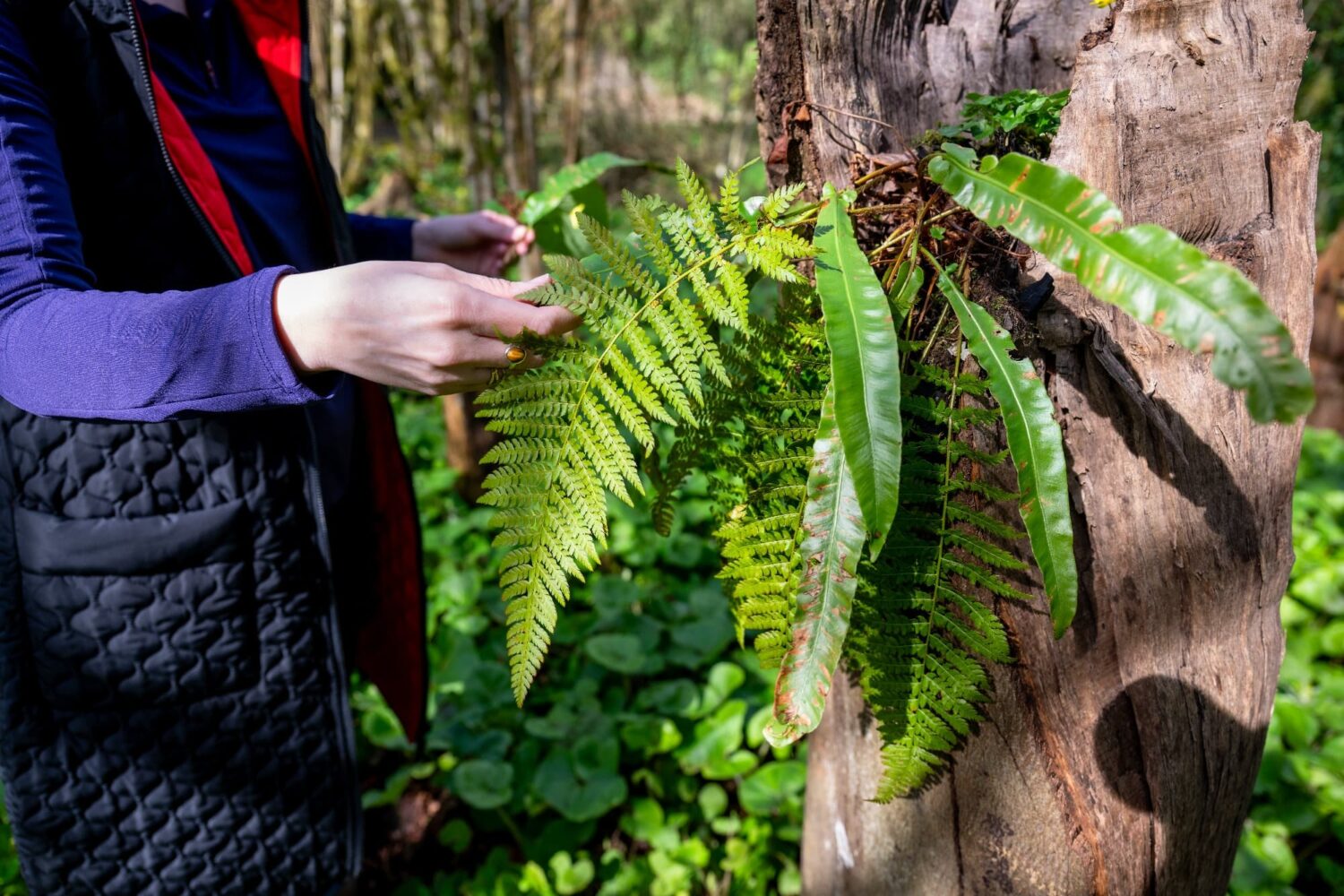
I emphasise Creativity in Nature and the use of nature-based expressive arts techniques to explore feelings and experiences in a less verbal and conscious way, accessing deeper and more intuitive aspects of your psyche.
As an External Associate of the Critical Medical Humanities Group, Maynooth University, I am committed to supporting interdisciplinary and innovative approaches to enhancing health and well-being, including the use of creative and expressive therapeutic modalities such as ecotherapy.
Strokestown Park has a strong ethos of promoting biodiversity and enhancing accessibility for all in Nature, inclusive of all ability and mobility levels. It has ample facilities onsite for an enjoyable and safe day in Nature.
However, I am open to working in other venues within a reasonable distance that may be closer geographically to you.
What are the Outcomes from these Ecotherapy Programmes?
Feedback from Workplace Wellbeing Groups, general Community Members, Contracting Organisations and Members of underserved communities has been uniformly positive of the benefits they have obtained from ecotherapy programmes/sessions. Further information on the types of outcomes accruing can be provided on request.
I am working in partnership with the School of Nursing, Maynooth University on formally evaluating the outcomes arising from my ecotherapy work. This evaluation process will inform the development of a framework of practice. Academic publications on this work are in press.